Acupuncture in Philadelphia, PA
Acupuncture for Pain That Keeps Returning
When Is Acupuncture Worth Considering?
Pain that keeps returning can make ordinary tasks feel like a negotiation. It may interrupt sleep, limit exercise, affect concentration, or leave you changing how you move to avoid another flare-up.
At Rufus Chiropractic and Wellness, patients from Holme Circle, Mayfair, Rhawnhurst, and nearby Bucks County can explore acupuncture through an established Northeast Philadelphia practice. The first step is understanding what you are experiencing and whether acupuncture has a useful role in your care.
Acupuncture may be worth discussing when:
- Back, neck, knee, joint, or muscle pain continues or regularly returns.
- Headaches or migraines interfere with your work, sleep, or normal routine.
- You want to explore a non-surgical approach to managing certain pain symptoms.
- You deal with stress, anxiety or insomnia.
- You are interested in acupuncture as a standalone service or alongside other care when each treatment has a clear purpose.
Acupuncture is not the right first step for every symptom. New, severe, rapidly worsening, or unexplained pain may require medical evaluation before treatment. The specialist should be prepared to recommend acupuncture, another appropriate service, or outside evaluation based on what will best support your health – not simply because acupuncture is available.
What Can Acupuncture Help Address?
Acupuncture has been studied most often for pain-related concerns, but outcomes vary and no treatment works for everyone. Your consultation should connect the treatment to a specific symptom or goal rather than relying on a standard set of points for every patient.
Back & Neck Pain
Persistent back or neck pain can make it harder to sit, sleep, work, exercise, or turn comfortably. Acupuncture may help some patients manage certain forms of back and neck pain, particularly when symptoms are recurring or have become part of a longer-term pattern.
The specialist will consider where the pain occurs, how long it has been present, what movements affect it, and whether symptoms extend into another area. When neck-specific assessment may be useful, patients can also review Rufus Chiropractic’s treatment options for recurring neck pain. The goal is to identify the most appropriate next step rather than add multiple treatments automatically.
Sciatica & Radiating Leg Pain
Pain that travels from the lower back or hip into the leg may involve the sciatic nerve, surrounding muscles, or another underlying issue. Because radiating pain can have different causes, the provider should evaluate the pattern before recommending acupuncture.
Patients who want to understand how spinal movement or nerve irritation may relate to their symptoms can explore how Rufus Chiropractic approaches sciatica. Acupuncture may be considered independently or as one part of a broader plan when each service has a defined purpose.
Headaches & Migraines
Recurring tension headaches or migraines can affect focus, energy, sleep, and the ability to keep a normal schedule. Acupuncture may help reduce headache or migraine frequency for some patients, but it should not be presented as a guaranteed way to stop headaches completely.
The specialist will ask about where the pain begins, how often it occurs, how long it lasts, and what may trigger it. Sudden, severe, or unexplained headaches – especially those accompanied by neurological symptoms – should be evaluated by an appropriate medical professional.
Knee, Joint & Muscle Pain
Knee or joint pain can gradually limit walking, training, work, and recreational activities. Acupuncture has been studied for knee pain associated with osteoarthritis and may help some patients manage discomfort as part of a broader care plan.
Tight or sensitive muscles may also contribute to restricted movement or pain that returns during specific activities. When muscle tension is the primary concern, the specialist may discuss whether acupuncture or cupping therapy for muscle tension has the clearer purpose. Rufus Chiropractic’s approach should be to choose the option that fits the problem, not to stack services without a reason.
How Acupuncture May Support Pain Relief
Acupuncture uses very thin needles to stimulate carefully selected points. Your provider primarily approaches treatment through Traditional Chinese Medicine concepts, while also using biomedical terminology to help explain how acupuncture may relate to nervous-system function, pain processing, and the tissues around the treatment area.
At Rufus Chiropractic, your provider will explain why particular points are selected, what the treatment is intended to address, what you may feel during treatment, and what acupuncture may realistically accomplish for your specific concerns.

Acupuncture at a 100+ Five-Star Northeast Philadelphia Practice – Real Healing, Real Results
Acupuncture may be new to the Rufus Chiropractic service lineup, but patients are not entering an unfamiliar practice. Rufus Chiropractic has earned more than 100 five-star reviews by providing attentive, hands-on care and helping patients understand their options before moving forward.
The practice welcomes patients across generations and offers chiropractic care, corrective exercise, cupping, rehabilitation, and other supportive services in one Northeast Philadelphia office. That range matters because acupuncture can be recommended for a clear reason, used independently, or set aside when another approach is more appropriate.
Posted onTrustindex verifies that the original source of the review is Google. Easy to get an appointment, and everyone there is so incredibly friendly and helpful! I always leave there feeling better, Dr Rufus is fantastic! Highly recommend to anyone in need of a chiropractor.Posted onTrustindex verifies that the original source of the review is Google. Dr. Rufus and staff are great. Highly recommended.Posted onTrustindex verifies that the original source of the review is Google. After spending many years as a patient of Smith chiropractic, I am happy the transition to Rufus. Chiropractic has been very easy as a patient. Maintaining his great staff of April and Samantha has made the adjustment very easy. This place is just wonderful. Happy to know. I can go here for the rest of my life because Dr. Rufus is younger than me.🤣Posted onTrustindex verifies that the original source of the review is Google. Been coming here for over a year now and I LOVE Dr. Rufus and his associates. I feel great after each visit. Highly recommend!!Posted onTrustindex verifies that the original source of the review is Google. I had a great experiencePosted onTrustindex verifies that the original source of the review is Google. I’ve been a routine patient of Dr. Rufus since he bought the practice from the Smith’s who were the long time proprietors of this practice at Holme Circle. The transition has been flawless! The care is top notch! Dr. Rufus is really concerned about how your feeling and making you feel better to the best of his abilities. He’s very skilled in his techniques and abilities. He’s a super nice guy who can hold a conversation on any topic of the day. Office hours are abundant during the week including morning into late afternoon and early evenings on certain days. I’ve never had a problem getting an appointment on desired day and time. There’s never a wait either during appointments. The office staff keeps the appointments moving throughout the day. Speaking of: April and Samantha are great! They always greet you and leave you with a smile! They are the reason behind the good vibes you feel when you visit. From first hand experience, I highly recommend Dr. Rufus and his staff to maintain your wellbeing both physically and spiritually. ~Ed SmithPosted onTrustindex verifies that the original source of the review is Google. Staff is very friendly and understanding!Posted onTrustindex verifies that the original source of the review is Google. Went back after eight months and I can’t believe that it was eight months. Last night after my visit my feet and legs felt so much better! Thank you so much Dr. Rufus for helping me feel marginally better.!!!!

Meet the Acupuncture Specialist Joining Our Team
“Hínár” György Schrader Polczer is a licensed acupuncturist and NCCAOM Diplomate who has practiced since 2019, with a particular focus on musculoskeletal pain and injuries. He earned his Master’s Diploma in Acupuncture and Chinese Medicine from the Jung Tao School of Classical Chinese Medicine and is currently completing his Doctor of Acupuncture degree.
Hínár combines acupuncture with hands-on techniques including cupping and Tui Na Asian Bodywork, adapting treatment to what each patient needs that day. His background in Tui Na, movement, and breath-based practices complements Rufus Chiropractic’s hands-on approach, and he collaborates with Dr. Rufus when acupuncture and chiropractic care may each have a clear role in treatment.
Acupuncture and Chiropractic Care Under One Roof
Acupuncture and chiropractic care are different services, and patients do not need both simply because both are available. Acupuncture uses needle stimulation at selected points, while chiropractic care focuses on hands-on assessment and treatment of the musculoskeletal system.
Some patients may schedule acupuncture as a standalone service. Others may be better served by chiropractic care in Philadelphia, or may use both when each treatment addresses a distinct part of the plan. The providers should explain the purpose of each recommendation so patients can make an informed decision.
When pain has affected strength, stability, or movement habits, corrective exercises for movement and stability may answer a different need than acupuncture. Having these services available in the same Northeast Philadelphia practice makes it easier to explore the right pathway without treating every visit as a package.
What to Expect During Your First Acupuncture Visit
Starting a new treatment is easier when you know what will happen and why. Your first acupuncture appointment at Rufus Chiropractic will last about one hour and includes treatment during the same visit, while follow-up appointments are typically 30 minutes. The experience will reflect the specialist’s clinical approach while remaining consistent with Rufus Chiropractic’s emphasis on communication, education, and care that has a clear purpose.
01
Discussing Your Symptoms and Health History
The specialist will ask where your symptoms occur, when they began, what makes them better or worse, and how they affect your routine. You should also discuss medications, health conditions, previous treatment, pregnancy status, medical devices, and any concerns about acupuncture.
This conversation is not a formality. It helps the provider decide whether acupuncture fits, whether another Rufus service may be more relevant, or whether you should seek evaluation elsewhere before treatment.
02
Preparing for Your Appointment
Wear loose, comfortable clothing that allows the specialist to easily access the areas being treated. Before your appointment, have a light snack rather than arriving on either a completely empty or very full stomach, and make sure you are well hydrated. If you are already receiving chiropractic care at Rufus Chiropractic or another service, let your specialist know so your existing care can be considered when discussing the purpose of acupuncture within your treatment plan.
03
Creating a Treatment Approach
The specialist will select acupuncture points based on your assessment and treatment goals. These points may not always be located directly where you feel discomfort because treatment can involve related muscles, tissues, or areas of the body. Your provider should explain what they are targeting and why, giving you an opportunity to ask questions before treatment begins.
04
Placing the Acupuncture Needles
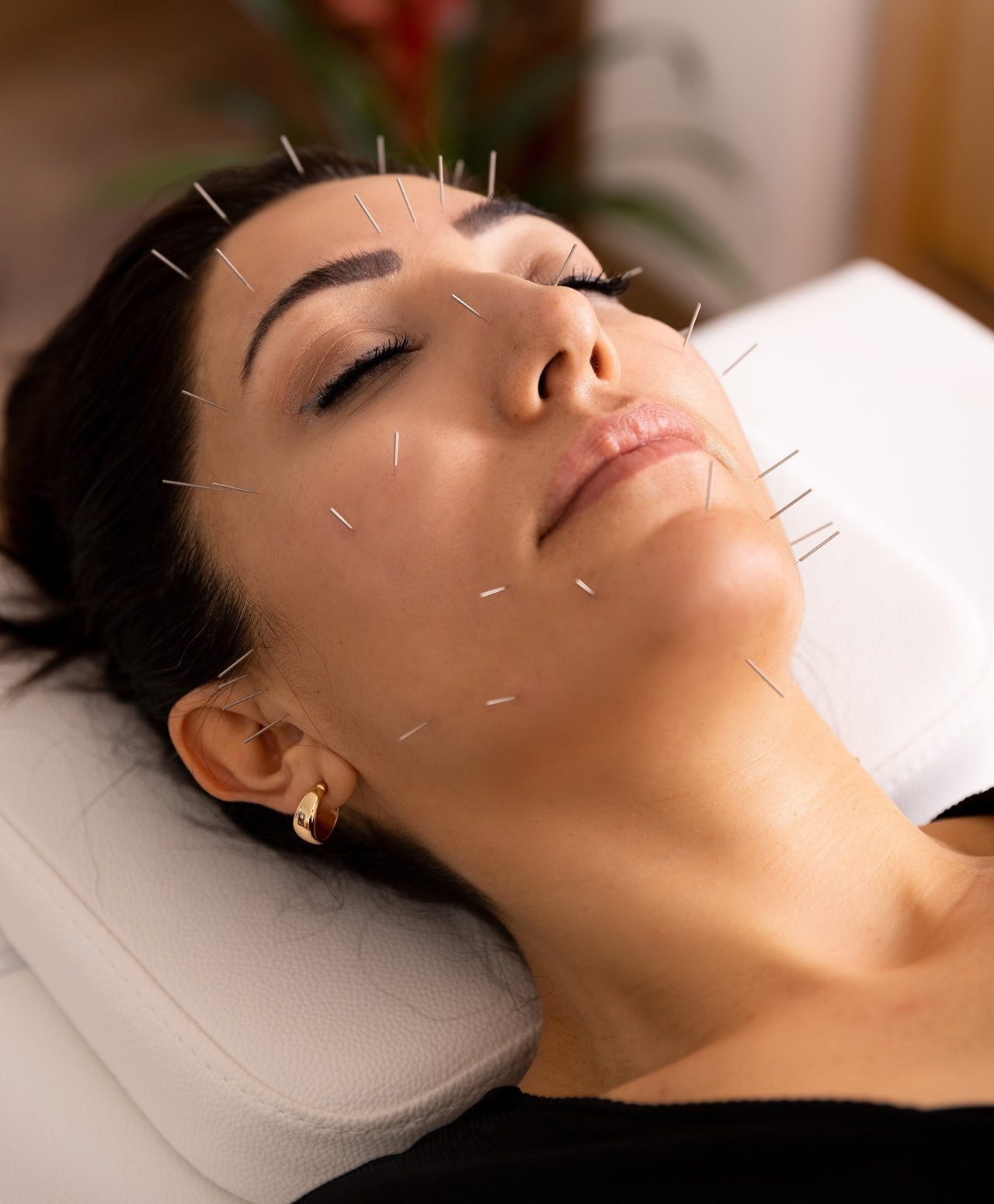
Very thin needles are placed at selected points while you rest in a comfortable position. You may feel a brief pinch, pressure, warmth, tingling, or a mild aching sensation, but acupuncture should not cause severe or persistent pain. Rufus Chiropractic encourages patients to communicate what they feel throughout treatment, so tell the specialist if anything feels sharp or unusually uncomfortable so the placement can be adjusted.
05
Resting During Treatment
Once the needles are placed, they will typically remain in position for about 25 minutes while you rest. The exact number and placement of needles will depend on your symptoms and treatment plan, and your specialist will monitor how you are doing and answer any questions that come up during the appointment.
06
After Your Acupuncture Treatment
Continue to stay hydrated after your visit and avoid vigorous activity immediately following treatment. Your specialist can provide any additional aftercare guidance based on your treatment and how you respond.
07
Planning Future Visits
After treatment, the specialist will discuss how you responded, what you may notice afterward, and whether another appointment is recommended. Follow-up visits are generally about 30 minutes, but the frequency of treatment should depend on your condition, how long it has been present, your goals, and your response rather than a universal package for every patient.
Acupuncture Cost, Insurance & Treatment Frequency
Acupuncture pricing and coverage can vary by provider, insurance plan, diagnosis, and whether the first visit includes treatment. Before care begins, patients should understand the expected initial cost, follow-up cost, and whether insurance or self-pay applies.
Because acupuncture coverage varies by plan and diagnosis, patients should contact the office before scheduling to ask whether benefits can be checked, whether a referral is required, and what they should expect to pay. The practice’s general insurance and payment information provides a starting point, while the office can confirm how those policies apply to acupuncture.
The recommended number of sessions should also remain separate from the financial conversation. A treatment schedule should be based on the patient’s needs and response, not used to imply that everyone requires the same course of care.


Acupuncture Close to Home in Northeast Philadelphia
Acupuncture appointments will take place at Rufus Chiropractic and Wellness, 2875 Holme Avenue, Philadelphia, PA 19152. The Holme Circle location gives patients an option for acupuncture in Northeast Philadelphia without requiring a trip into Center City.
Acupuncture appointments are currently available Mondays and Thursdays from 9:00 a.m. to 6:00 p.m. The office is convenient for patients from nearby Northeast Philadelphia communities such as Rhawnhurst, Mayfair, Holmesburg, and Bustleton.
Patients can view the Northeast Philadelphia location and office hours before scheduling and contact the practice with any questions about getting to the office or planning their visit.
Your Acupuncture Questions, Answered
Does acupuncture hurt?
Acupuncture needles are very thin, and many patients experience little discomfort during insertion. You may notice a brief pinch or mild pressure, warmth, tingling, or aching around certain points. Tell the specialist if anything feels sharp or unusually uncomfortable so the treatment can be adjusted.
Is acupuncture the same as dry needling?
No. Acupuncture and dry needling may both use thin needles, but they are different approaches and should not be used interchangeably. Acupuncture may draw from traditional and biomedical frameworks, while dry needling generally focuses on muscular trigger points. Rufus Chiropractic is introducing acupuncture as a service and does not offer dry needling.
How many acupuncture sessions will I need?
There is no universal number of sessions that works for every patient. The recommendation will depend on the condition, how long it has been present, your health history, your goals, and how you respond. The specialist should reassess progress rather than promise improvement within a predetermined number of visits.
Can acupuncture be combined with chiropractic care or cupping?
Potentially, but each service should have a clear reason. Some patients may use acupuncture independently, while others may explore it alongside chiropractic care or cupping therapy when the providers determine that the approaches address different needs. More services are not automatically better.
Is acupuncture safe?
Acupuncture is generally considered low risk when performed by a qualified practitioner using sterile needles. Minor bruising, bleeding, or temporary soreness can occur. Serious complications are uncommon but possible when treatment is performed improperly.
Share a complete health history before treatment, including pregnancy, blood-thinning medication, implanted medical devices, bleeding disorders, and other relevant conditions.
When is acupuncture not the right first step?
Acupuncture is not an emergency service and should not delay evaluation for sudden or severe pain, serious injury, new weakness or numbness, loss of coordination, unexplained neurological changes, severe headache, chest pain, or other potentially urgent symptoms.
It may also be a poor fit when the concern falls outside the specialist’s scope or when another evaluation is needed to understand the cause. A responsible provider should be willing to explain those limits and direct you toward a more appropriate next step.
Find Out Whether Acupuncture Fits Your Care Plan
Recurring pain can affect how you live, work, and stay active. Acupuncture may provide another option for managing certain symptoms when it’s an appropriate fit for your needs.
At Rufus Chiropractic, patients throughout Northeast Philadelphia and nearby Bucks County can explore acupuncture through an established practice with more than 50 five-star reviews and other hands-on services available when appropriate. Your first appointment is an opportunity to determine whether acupuncture is the right fit for your care.
